
Reclaiming Your Creativity
Creativity isn’t reserved for artists.
It shows up in how we think, solve problems, and move through the world.
Designing a space.
Hosting a gathering.
Resolving tension between two people.
It’s the act of taking something as it is—and shaping it into something new.
At some point, most people stop seeing themselves as creative.
Not because it disappears—but because it gets deprioritized.
Work becomes more structured.
Time becomes more limited.
The focus shifts toward output, not exploration.
And slowly, that part of you gets quieter.
If you’ve been feeling stuck, restless, or a little disconnected from your work, it’s often not a motivation problem.
It’s a creativity problem.
A helpful reframe:
Creativity isn’t something you find.
It’s something you make space for.
If you want to reconnect with it, start small.
Not with a big project—but with attention.
A few places to begin:
What did you naturally gravitate toward before things became more practical?
Where might you be holding back—even in small ways?
What would you try if you removed the pressure to be good at it?
One framework that’s influenced how I think about this is The Artist’s Way by Julia Cameron.
A core idea from the book is the “Artist Date”—a weekly block of time you take for yourself, on your own, to do something that feels interesting or energizing.
Not productive.
Not optimized.
Just something that brings you back into curiosity.
This week, mine looked like spending time at my property, Terra Nova.
In reality, I still worked most of the day.
But I carved out a couple of hours to do things that felt different:
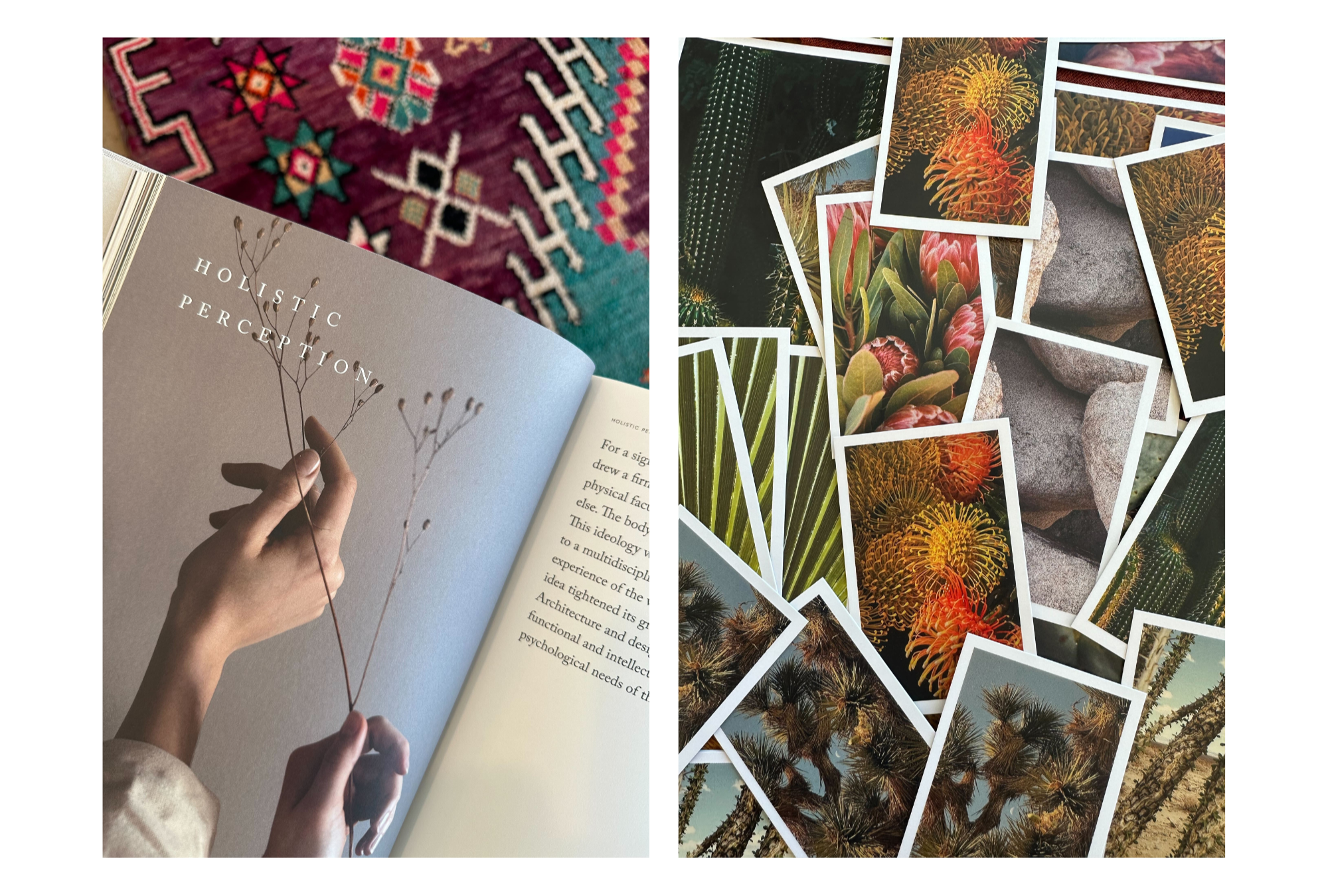
Spending time with design books for an upcoming renovation.
Watching the sunset.
Experimenting with something new.
Small moments—but enough to shift how the day felt.
That’s the point.
Not to overhaul your schedule—but to create space, even briefly, to engage with something differently.
If you want to try this:
Take yourself somewhere new.
Revisit something you used to enjoy.
Do something with no outcome attached to it.
You don’t need more time.
You need a little more space for curiosity.
And a willingness to follow it, even briefly.
